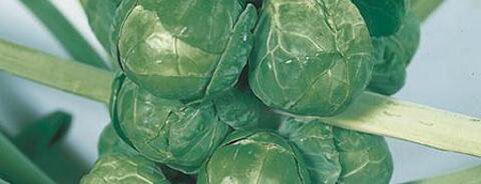
Brussels Sprouts
Brassica oleracea var. gemmifera
Much maligned but deeply misunderstood, Brussels sprouts are one of the garden's great autumn and winter vegetables. Grown properly — and eaten fresh rather than boiled to oblivion — they are sweet, nutty, and delicious. They are also one of the most frost-resistant vegetables you can grow.
SowingStart indoors
Sunlight☀️ Full sun
Water💧💧 Moderate
Days to harvest120–180
Soil pH6.8–7.5
Spacing75cm × 75cm
Planting Calendar
Sow indoorsSow outdoorsTransplantHarvest
Jan
Feb
Mar
Apr
May
Jun
Jul
Aug
Sep
Oct
Nov
Dec
Sowing
Sow in early to mid-spring, 1cm deep in rows as thinly as possible. Growing from seed produces better results than buying transplants, as plants can be hardened off gradually.Transplanting
When seedlings reach 10–12cm, transplant to their final positions at 75cm spacings — they need the room. Firm in very thoroughly, using your heel. Brussels sprouts more than any other vegetable will produce poor, blown sprouts if the root is loose.Staking
Stake plants in exposed gardens — tall plants in autumn gales can rock and the root becomes loose. Earth up around the base too.Harvesting Technique
Pick the sprouts from the bottom of the stem first, working upwards. Take only a few from each plant at a time — this keeps the plant productive from mid-autumn through to spring.Soil: Firm, rich, well-limed soil. Brussels sprouts need more stability than any other brassica — loose soil produces blown sprouts.